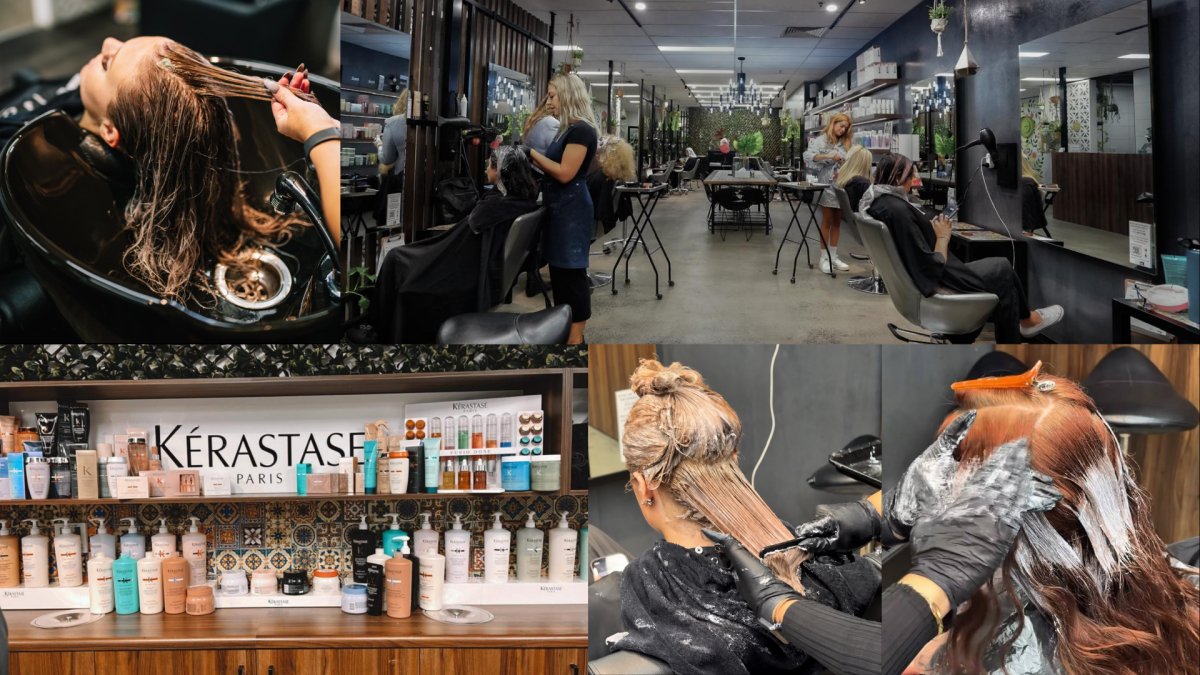
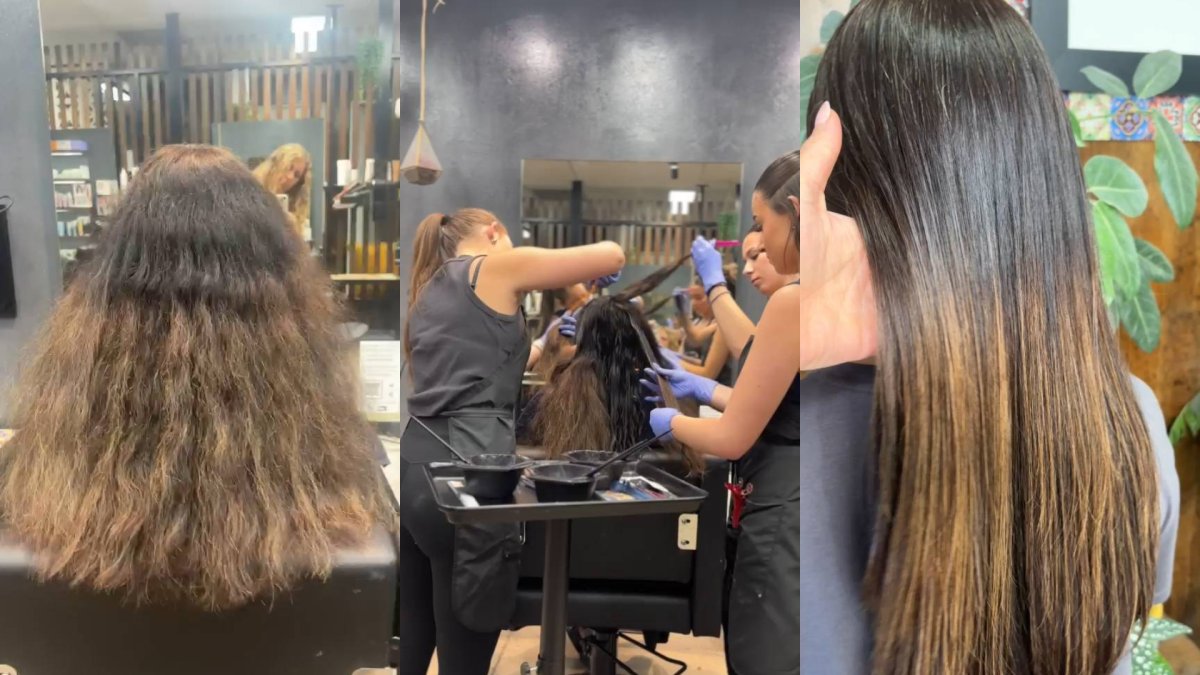
What makes Asian hair so difficult to blonde?
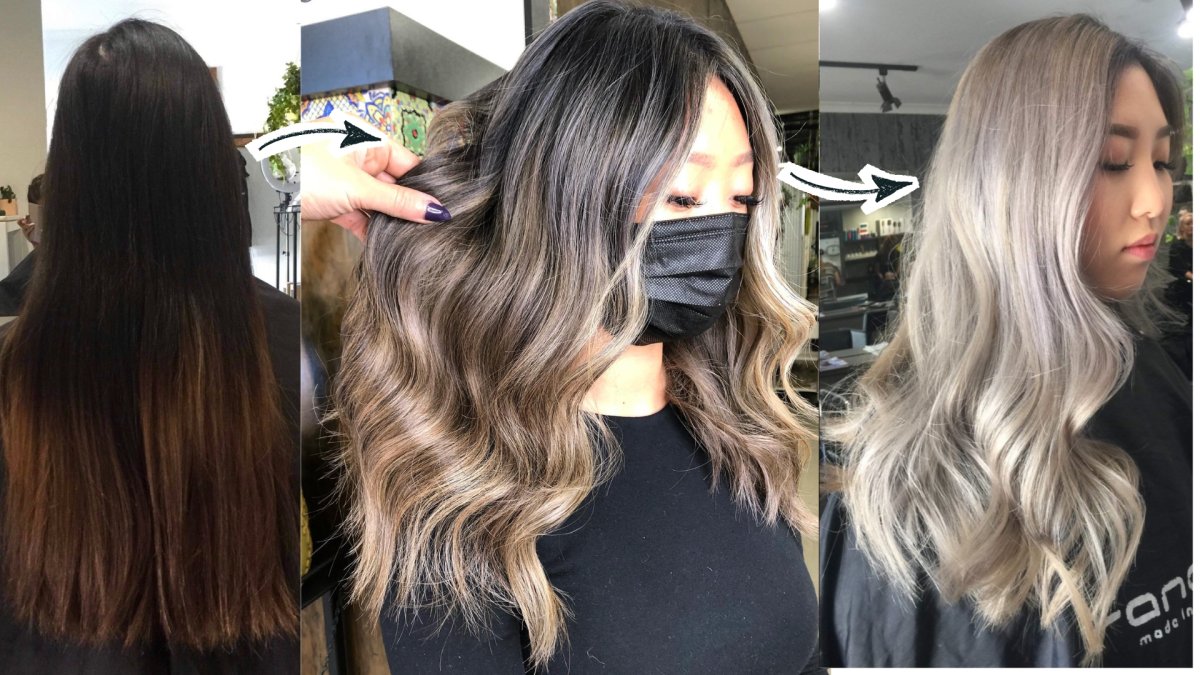
Asian hair isn’t inherently difficult to lighten; the challenge often comes from a naturally dark starting colour, previous dye and the hair’s condition. Blonde on blonde balayage adds lighter tones to an already blonde base. Taking dark hair blonde calls for a different plan, with careful attention to how much lightening the hair can tolerate.
When comparing balayage, highlights and ombré, it’s easy to focus on the technique names and overlook how placement affects the finished look and grow-out. This guide explains the differences, what shapes the scope of a blonde transformation, and how to choose tones that complement your skin. It also covers why colour history matters, especially when moving from dark hair to blonde.
Key Takeaways
- Face framing and lighter pieces can add brightness and dimension, with placement tailored to your colour goal.
- Balayage, highlights and ombré create different patterns of lightness and grow out. Choose an approach that suits the finish and salon maintenance you prefer.
- Blonde shades range from golden to cool champagne. Consider how the tone works with your skin tone and existing hair colour.
- For dark hair or a complex colour history, White Ivy Hair Studio plans transformations around your hair’s starting point, condition and goal.
Blonde Balayage Brightness, Dimension and Face Framing
Brightness comes from placement, not just how light the blonde is. On an already blonde base, blonde on blonde balayage adds contrast with selected lighter ribbons. If the lengths look flat, a colourist can place lighter pieces through the middle lengths and ends. Brighter sections near the face draw the eye without lightening every part. The contrast between the existing shade and new pieces shapes the result.
For a subtle shift, fine babylights add delicate dimension. If your blonde looks one dimensional, a colourist can weave fine lighter sections around the hairline and through selected lengths. For stronger face framing, brighter pieces can be concentrated at the front. Blonde on blonde balayage can keep the overall look cohesive while those sections stand out. Placement should suit your parting, haircut and existing colour.
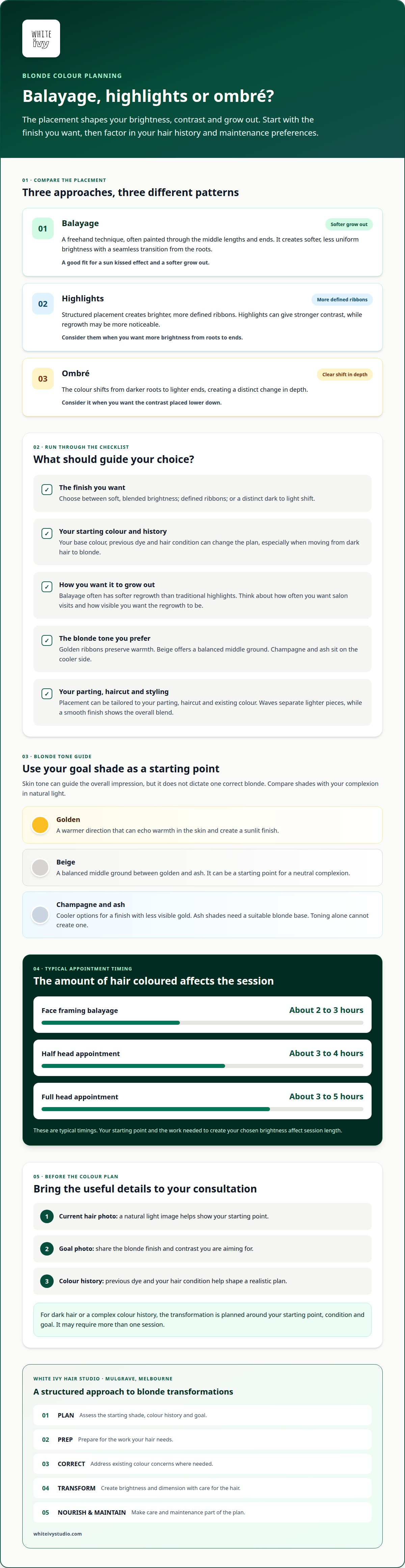
Appointment time depends on how much hair is coloured and its starting point. As a guide, a face framing balayage appointment takes about 2 to 3 hours. A half head appointment takes about 3 to 4 hours, while a full head appointment takes about 3 to 5 hours. These are typical timings, and your hair affects the session length. The colourist considers placement and the work needed to create your chosen brightness.
What is the difference between balayage, highlights, and ombré?
Balayage uses freehand strokes, often painted through the middle lengths and ends. It creates softer, less uniform brightness, with a seamless transition from the roots. Choose it for a sun kissed effect and softer grow out. Highlights use more structured placement for brighter, more defined ribbons. They can create stronger contrast, but regrowth may be more noticeable. Ombré shifts from darker roots to lighter ends, creating a distinct change in depth.
Your goal and colour history help guide the choice. For a soft blonde refresh, balayage adds brightness without colouring every section. For more brightness from roots to ends, structured highlights may suit the plan. For a clear fade from dark to light, ombré places the contrast lower down. A consultation helps assess your base colour, previous dye, hair condition and desired finish. Sharing a current hair photo and a goal photo makes your starting point clearer.
Blonde tone matters, too. Golden ribbons preserve warmth, while cooler champagne shades create a different finish. Toning adjusts the shade after lightening and can refine unwanted warmth, but the right choice depends on your blonde base and desired tone. Styling also affects how dimension appears: waves separate lighter pieces, while a smooth finish shows the overall blend.
For maintenance, consider how often you want salon visits and how your colour grows out. Balayage often has softer regrowth than traditional highlights. Gentle styling and a tailored care plan help support coloured hair between appointments. If you’re unsure which approach fits your hair history and goal, share them through an online hair consultation.
Skin tones suited to blonde balayage
Blonde balayage can range from golden ribbons to cool champagne shades. Skin tone can guide the overall impression, but it doesn’t dictate one correct blonde. Compare shades with your complexion in natural light, then consider your current base and the contrast you want. A bright, lighter finish creates a different effect from soft, blended dimension.
For a warm direction, golden blonde can echo warmth in the skin and create a sunlit finish. If your complexion reads neutral, beige blonde can offer a balanced middle ground between golden and ash. These are starting points, not rules. For example, a neutral base with a few golden pieces may feel brighter without shifting the whole look warm.
Champagne and ash blondes sit on the cooler side of the palette. If you prefer less visible gold, a colourist can consider cooler tones and assess how they sit beside your skin. The result depends on the hair’s lightness and existing warmth. Ash shades need a suitable blonde base; toning alone can’t create one.
At your consultation, compare your goal shade with your current hair and discuss how much contrast you want. A photo of your hair in natural light gives useful context. Your colour history and hair condition also shape the plan, particularly when moving from dark hair to blonde.
White Ivy Hair Studio
White Ivy Hair Studio helps clients plan blonde colour around their starting shade, colour history and desired finish. For Asian and naturally dark hair, the aim is not simply to make it lighter. We plan brightness and dimension with care for the hair’s condition throughout the process.
Our White Ivy Blueprint™ follows five stages: PLAN, PREP, CORRECT, TRANSFORM, and NOURISH & MAINTAIN. This framework helps us assess your current colour, prepare the hair, address existing colour concerns and map the transformation. It also makes hair care and maintenance part of the plan, not an afterthought.
At your consultation, we discuss the blonde you want, how you’d like it to grow out and your hair’s colour history. Previous dark dye or uneven colour can change the approach. Colour Correction (Correct My Base) addresses issues such as colour that has become too dark, patchy or uneven. We plan a blonde transformation around your hair’s condition, and it may require more than one session.
An individual assessment matters whether you want a soft, blended blonde or a brighter change from dark hair. It helps set a practical direction without assuming every head of hair will respond the same way. We also consider how to maintain the finished colour and care for the hair after the service.
Contact White Ivy Hair Studio to discuss your blonde colour goal.
Plan your next blonde transformation
The next step is turning inspiration into a colour plan that respects your hair’s history and condition. Whether you’re considering blonde on blonde balayage or a more substantial change, a clear goal helps guide your consultation. Bring an image of your desired finish and be ready to discuss previous colour and treatments.
At White Ivy Hair Studio, we plan blonde transformations around your starting point and desired result. We also offer Grey blending and Colour Correction (Correct My Base) for different colour needs. If your hair has been coloured darker or unevenly, that history matters when shaping a realistic path to blonde.
A consultation gives you space to discuss the look, maintenance and steps involved before deciding how to proceed. Your colour goal deserves a thoughtful plan, and we’re here to help you explore it.
Take the next step when you’re ready. A considered plan can make your transformation clearer.
Frequently Asked Questions
What is a sun kissed balayage?
“Sun kissed” describes the overall impression, not a fixed colour formula. Before your appointment, note whether you want the brightness to show clearly in everyday light or mainly catch the light as your hair moves. An outdoor photo can help communicate the finish you like without relying on a colour name alone.
What shades of blonde work best together for balayage?
Choose shades that create your preferred level of contrast and still feel cohesive as the colour grows out. Your existing blonde can anchor the look, with a neighbouring tone for subtle variation or a more distinct shade for stronger dimension. A colourist can assess underlying warmth and how your hair responds to toning before refining the palette.
What is the difference between blonde balayage, foils and highlights?
Balayage describes colour placement, foils enclose selected sections during lightening, and highlights are the lighter sections. These terms can overlap in one appointment, so explain the effect you want rather than relying on a technique name alone. For example, you might want a brighter perimeter with softer lengths, giving your colourist clear priorities to discuss.
How do you plan a blonde balayage consultation?
A consultation helps define the scope of the service before your appointment. Your colourist can assess your current colour, hair length and density, colour history and desired brightness, then discuss whether correction is needed. A simple refresh and a complex change from previously coloured hair call for different plans.
How do you choose blonde balayage for your skin tone and hair type?
Bring a photo of a finish you like and one showing what you want to avoid. Describe your usual styling routine, such as wearing your hair straight or curly, because this affects how colour details appear. Your colourist can weigh these preferences alongside your hair’s condition and colour history when shaping a suitable plan.